
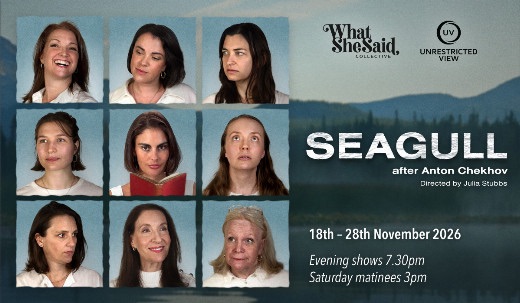
It often comes as a surprise to anyone we have ever met in real life that we have actually never been lucky enough to formally study drama (albeit at high school, college or in further education). However, even I am aware that one of the most famous plays studied by drama students is the iconic The Seagull, originally written by the legendary Anton Chekhov. Despite being first performed a massive 130 years ago, this show remains one of the most iconic plays in theatre, having even enjoyed a recent run starring Cate Blanchett at the Barbican Theatre last year. However, I have not been lucky enough to actually see this show come to life until now!This is not the traditional production that people who are even the tiniest bit familiar with the show might expect, as the wonderful minds behind What She Said Collective (who we were lucky enough to chat to on our YouTube channel, which you can watch here) have made the creative decision to cast the entire production with an all-female/female-presenting cast. This would have been totally unheard of when the show was initially written in 1895. Instead of simply altering the gender of the characters as written, the cast and crew of this production have essentially eradicated the gender of everyone involved (apart from the occasional gendered pronoun scattered throughout the show). This helps everyone in the audience relate to every character without having to consider gender, making the message of the show even more powerful!
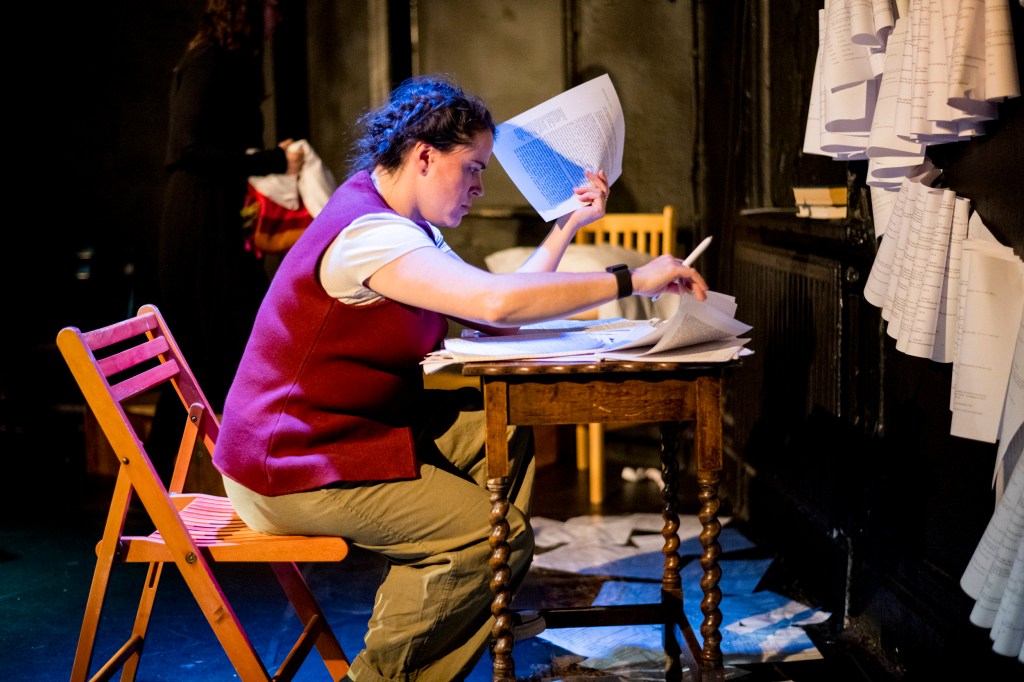
What is particularly interesting about this production is the fact that, from the very moment the audience steps into the theatre at the Hen and Chicken, they are transported into the heart of the story, with the performers on stage interacting with each other as the characters would in day-to-day life. This fantastic immersive element not only instantly grabs the audience’s attention, transporting every single person into the lakeside country estate, but also helps expand the world around the characters beyond the action of the play. This is something the creatives talked about in our aforementioned interview, and it has been implemented flawlessly. Even though the show is mostly set inside a lakeside country estate, the plot centres on four characters as they prepare to watch a brand-new play written by one of the characters themselves. This transforms the location into a rehearsal room, which is beautifully alluded to through a range of scripts and writing scattered around the stage. This decoration not only introduces the idea that the show focuses on an aspiring theatre writer but also hints at the chaotic and unhinged nature of the mind of one of the leading characters, Konstantin Treplev (played beautifully by Emma Riches, who was one of the creatives we were lucky enough to chat to on our YouTube channel, which you can watch here). Konstantin goes on an emotional journey from euphoric highs to despairing lows, all of which are portrayed excellently by Emma throughout. Even though I have mentioned that we have never read the play itself, we are aware that the story culminates in a rather distressing scene, as the stresses and anxieties of being a new writer become too much for Konstantin. This leads to an insanely powerful moment in which the focus remains on the other characters as they have to continue with their lives after losing a loved one. Instead of massive, over-the-top reactions (which one might stereotypically expect from theatrical productions), the stripped-back and realistic shock helps the show firmly embed itself in a real-world setting. This, combined with the immersive elements, allows the audience to truly invest in and relate to the fully formed characters, with the short two-hour running time presenting itself as just a snapshot of the complete lives of everyone involved.
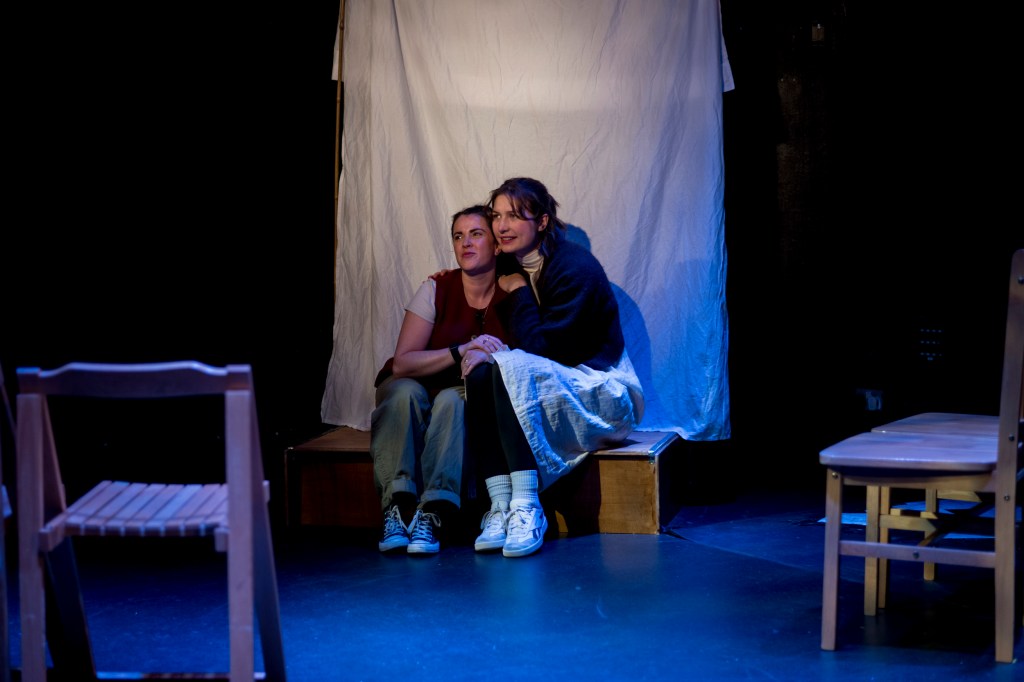
Alongside the troubled Konstantin is the incredible Nina (Grace Bown), who starts the show as a love interest of the aspiring playwright and supports his endeavours by appearing in his brand-new production. What is particularly impressive about this portrayal is the fact that, despite betraying her partner throughout the show, the cast are able to elicit immense amounts of sympathy from the audience as things start to go wrong. Every moment Grace is on stage, she is able to invite so much empathy from the audience through her demure and innocent physicality. Nina is just a 19-year-old girl who catches the theatre bug (as many of us, including myself, have done) and ends up making a series of bad decisions. These lead to her being abandoned in Moscow, having recently lost her unborn child, conceived during an affair with the famous writer Boris Trigorin (played by the brilliant Lisa Minichiello). She eventually returns for an immensely emotional reunion with her former lover in the closing moments of the show. Even though this character leaves Konstantin at one of his lowest points, which becomes a major influence on his tragic end, the combination of age, innocence and softness that Grace portrays so excellently throughout ensures that the audience maintains this deep sense of empathy and sympathy for Nina.
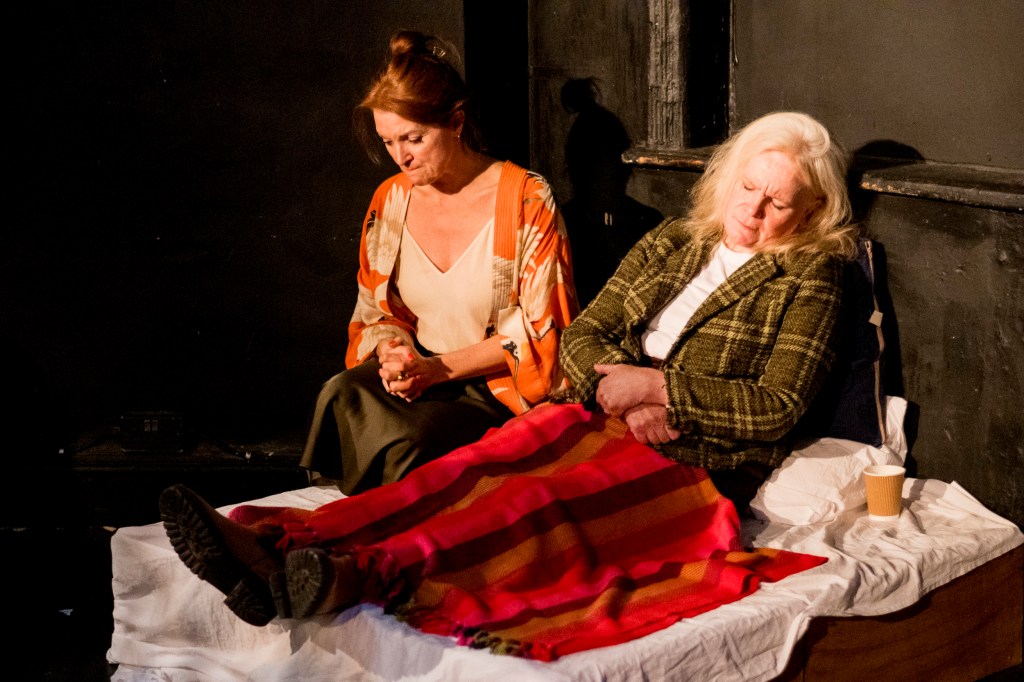
As the show is set in a makeshift rehearsal room and focuses on a brand-new theatrical play (a play within a play, if you will), it only makes sense that there is a character who is initially presented as an almost ‘Ghost of Christmas Future’ for Konstantin. However, Boris turns out to be anything but. The earlier stages of the show see Boris presented to the other characters as a legendary icon in the world of theatre, with Nina being visibly nervous and in awe of him. However, as the show progresses, we see the darker side of the character and the effect that constantly writing can have on a person. There is an insanely powerful sequence in which Boris delivers an almost-monologue about the pressure of being constantly encouraged to better his previous work and having to always be on the lookout for inspiration for his next masterpiece. It is this character who manages to seductively lure Nina away from her lover, only to abandon her in Moscow to spend time with his own partner in the later parts of the show. As this scorned writer, Lisa is able to control every scene they are involved in, creating an air of mystery and allure and further justifying why Nina so quickly drops everything to be with them. One of my favourite characters in this entire production, however, was the amazing Sorin (played by the talented Mary Tillett, who also joined us for the aforementioned interview). Sorin is the uncle of the struggling Konstantin and the owner of the manor in which the entire show takes place. As the story progresses, the audience can visibly see the passage of time as Sorin becomes more and more feeble. Meanwhile, the support from the other characters on stage increases as the show progresses. There is also a unique sequence towards the end of the show in which the characters believe Sorin has died, only for it to become clear that he is actually in a deep slumber.
In conclusion, Seagull by What She Said Collective is a unique and modern retelling of one of the most legendary pieces of theatre. It helps modern audiences not only understand but also relate to characters created over 100 years ago. The realistic, everyday inspiration behind the settings and characters ensures that the audience has ample opportunities to relate to the story, while the removal of gender from the characters themselves means there are no barriers to immersing the crowd in the heart of this production. I would rate this production 4 out of 5 stars!


