
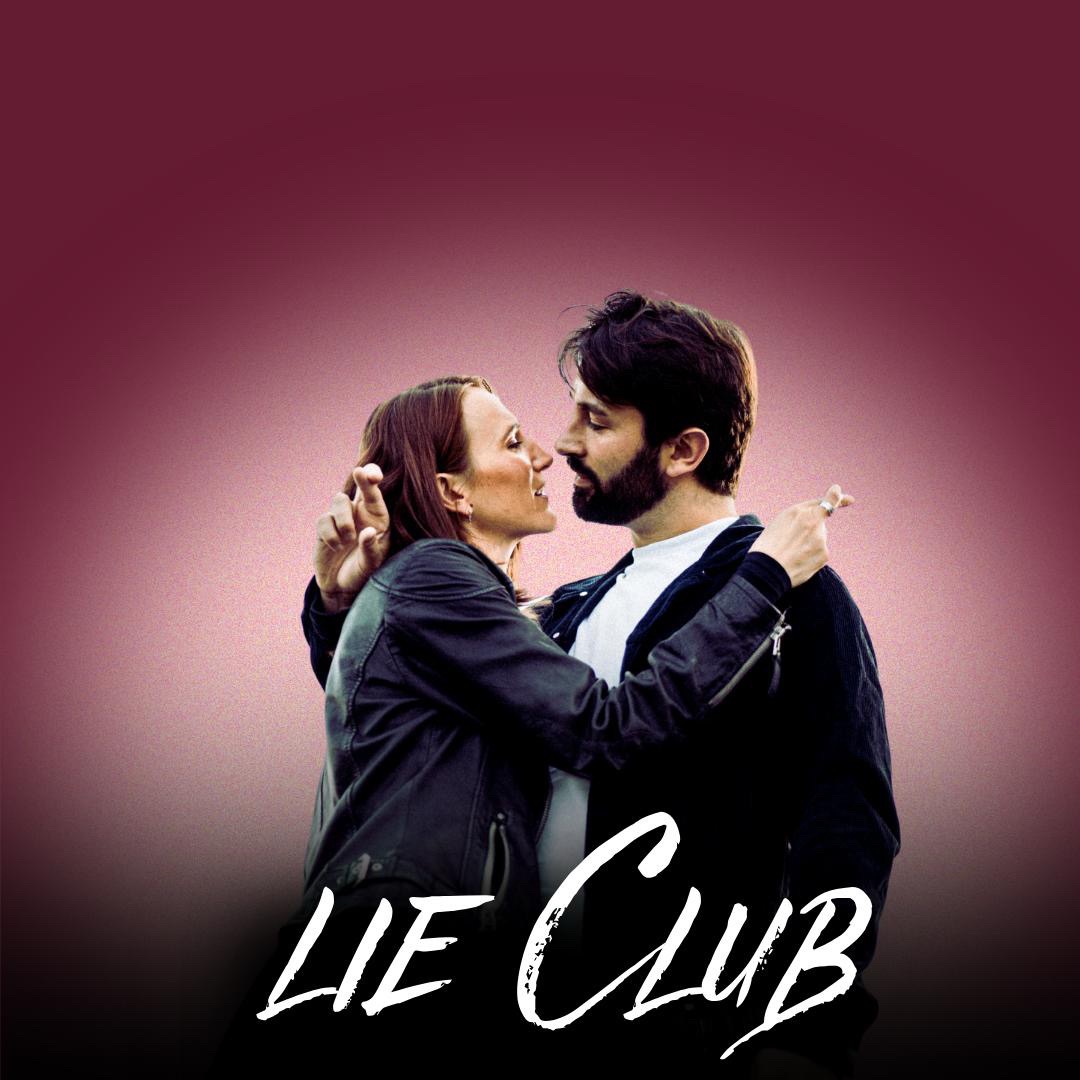
As you would expect from a show with this title, Lie Club comes from the brilliant minds of its writers and stars, Rachel De Fontes and Peter Jeffries. The show tells the story of two compulsive liars who compete in a harrowing game to see who can create the most complex web of lies! The show clearly makes a powerful point about how much of the information we take in is accurate. The characters themselves discuss the untruths shared by influencers and politicians, the illogical pricing of luxury items, and how they believe that a few more people spreading a little misinformation cannot be that harmful.
The show opens with a rather unusual monologue-style speech from Tracey (played by the brilliant Rachel De Fontes) , who talks directly to and even involves the audience. This immediately introduces the idea of dishonesty, helping the audience anticipate that not everything they see throughout the show will be real or honest. This also provides some guidance through the shifts in characters and identities that follow. During this section, Rachel De Fontes, as Tracey, hilariously interacts with the audience as she introduces herself to her newest Liars Anonymous group. This is a very clever setting, as it makes sense narratively: Tracey would usually be talking to a gathering of self-confessed liars, so involving the audience as this sort of group makes perfect sense. Later in the show, both Tracey and Ben (the latter portrayed wonderfully by the incredible Peter Jeffries) once again address and involve the audience, borrowing phones from unsuspecting audience members to spread more lies about family members, romances and more. This is another perfect inclusion, as the characters are competing against each other to see who can use a stranger to spread the biggest lies. At this point, the audience at Playhouse East effectively become random passers-by, which once again ties into the narrative flawlessly.
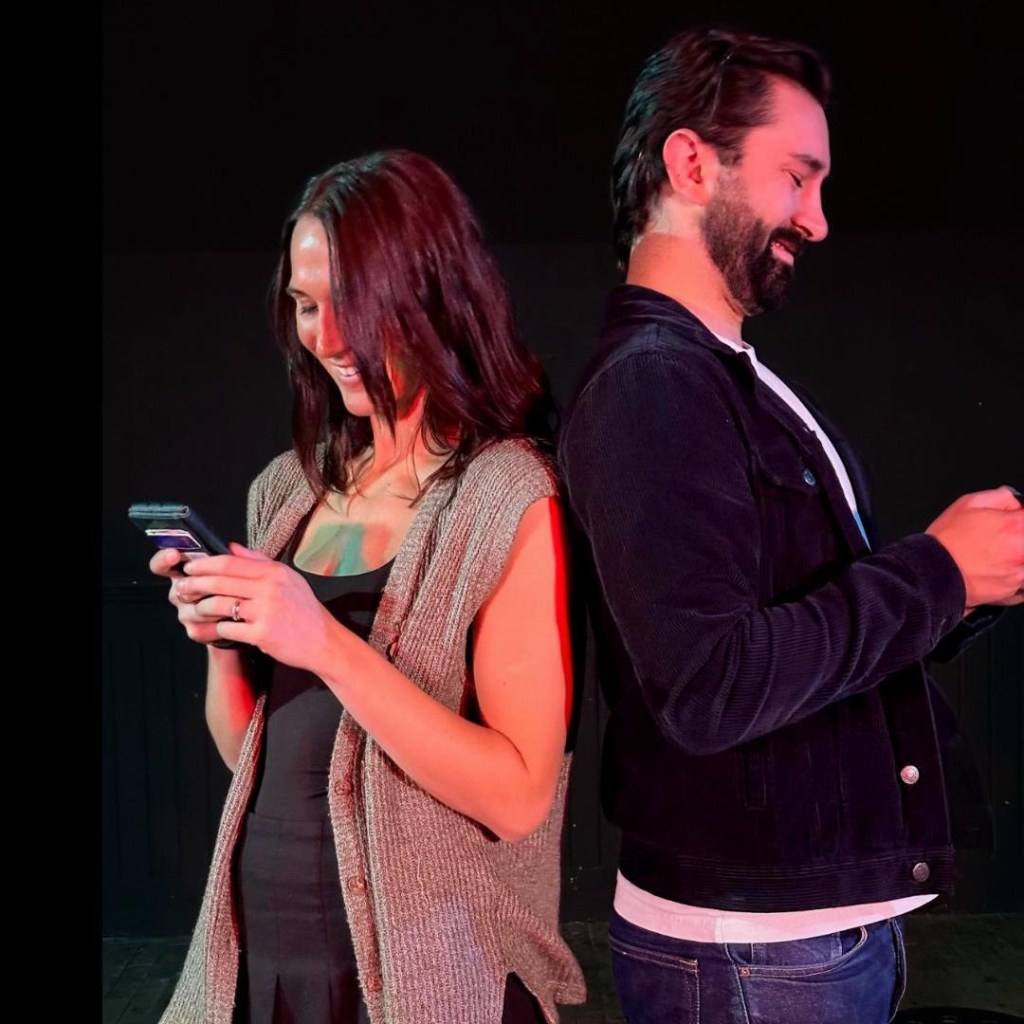
With the rise of ‘fake news’ constantly flooding social media, it is more important than ever for people to sit back and carefully consider how much of what they encounter is actually true. This is a major theme of the production. The show is structured in such a way that the narrative repeatedly switches between a Liars Anonymous group, the couple outside these meetings and other groups, with the talented performers switching roles throughout. For the audience, this makes the narrative purposefully difficult to follow, as the same two people present themselves as an array of allies and characters to further muddy the line between truth and reality. This makes perfect sense for a show all about lying. I have to say that there is something incredibly meta about the fact that the entire premise revolves around two actors playing characters who, in turn, play multiple different personas throughout the show. This brings to mind the (apologies in advance for the incredibly Shakespearean nerd factoid) idea that, during Victorian England, acting was banned because it was perceived to be a form of deception. You can read more about our love of the Bard in our review of A Midsummer Night’s Dream here: https://rhysreviews.com/2026/04/05/a-midsummers-night-dream-production-review/ The two-person cast are already playing people who are not themselves, but their characters then go in disguise as different people throughout the show. This further emphasises the ideas of lying and dishonesty at the heart of the production.
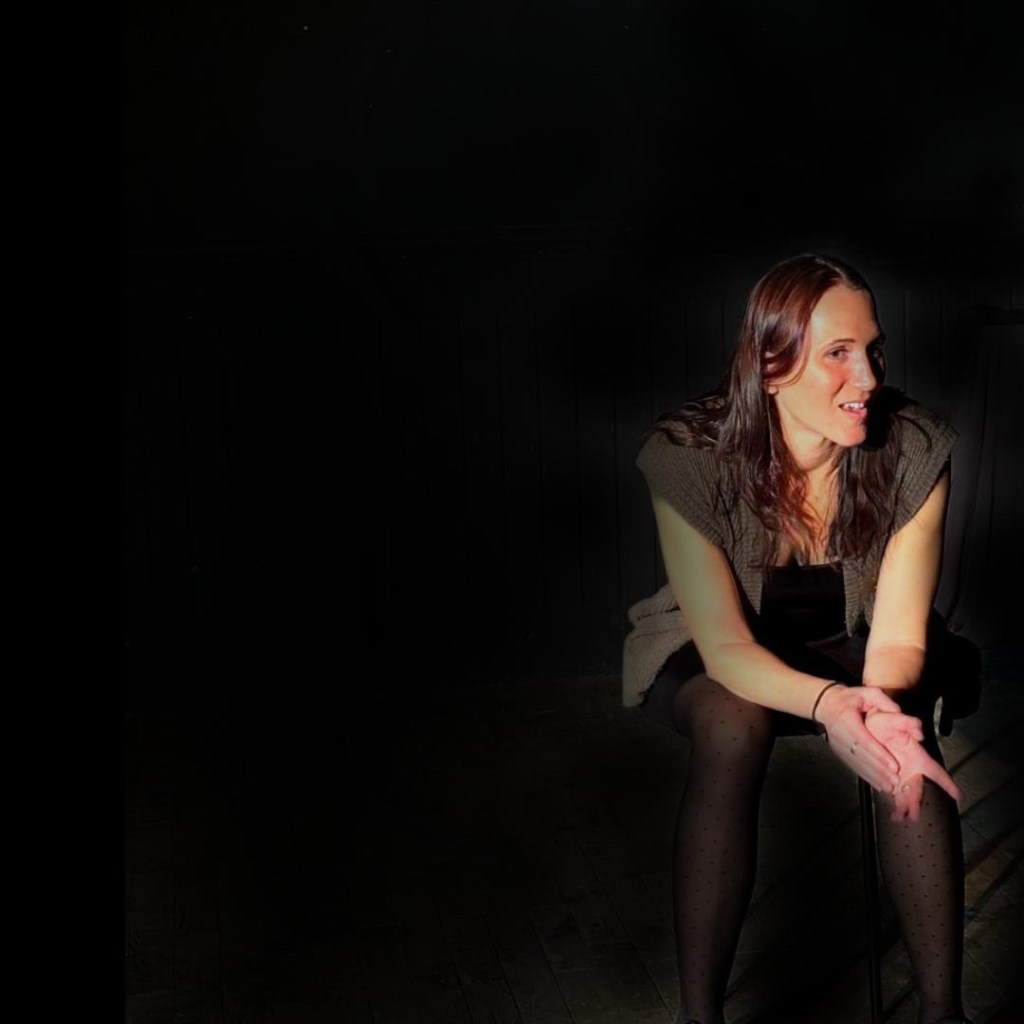
The closing moments see Tracey host her own Liars Anonymous group, introducing a brand-new, highly intellectual character, before Ben barges into the meeting to peel away the facade and expose the deception to everyone involved in the fictitious group. The production ends with Ben walking away from the scene, suggesting that this twisted game of layered deception has not come to an end and that the duo will continue competing to see who can create the biggest web of lies. This serves as a stark reminder that lies and deception are disappointingly common in the real world, as discussed earlier, and leaves the audience acutely aware that sometimes, not everything they see is entirely true.
In conclusion, Lie Club, written by and starring Rachel De Fontes and Peter Jeffries, is a powerful and thought-provoking show that highlights the rise of ‘fake news’ by encouraging everyone in attendance to think carefully about everything they see. This dark comedy is a wonderful showcase for both performers, who effortlessly switch between a range of personas, making each character distinct enough for the audience to follow what is happening while retaining enough similarities to remind us that the same character is hiding behind each new facade. Despite containing minimal references to sexual activity and violence, this is clearly a show aimed at a more mature audience, as the layers of deception could be somewhat difficult for younger audience members to follow. However, those able to keep up with the lies will quickly become aware of the intention underpinning the production. I would rate this production 4 out of 5 stars!


