
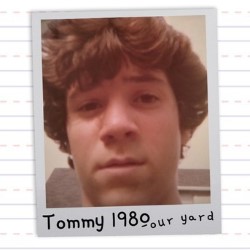
A Cat in a Box by Tom Nemec (who we were lucky enough to chat to prior to the Fringe — you can watch our interview here) is a powerfully moving yet harrowing story about growing up in a dysfunctional family. Through his own personal anecdotes of overcoming horrific childhood experiences, Tom commands the stage and captivates the audience from the very start, not letting go until the closing moments.
I think it is important to note that the show is fairly stripped back in terms of theatrics, as it contains very little staging or props, allowing the audience to be purely focused on the powerful story being shared by Tom. Through his artful storytelling and intense relatability, he is able to transport the audience from the intimate stage of The Space into a cosy meet-up with relatives, as they share personal stories about their childhood through an almost conversational presentation. Due to how widely relatable these sorts of stories are, the show almost invites the audience to truly invest in everything that is being shared, leaving them feeling compelled to want to share their own experiences at the end. This is a show that makes the audience want to add to it by sharing their own stories, which is a true testament to how moving Tom’s on-stage vulnerability is. It shows how poignant and important these types of stories are and can only have a positive effect on anyone who has gone through a similar experience. Despite not actually having a physical depiction, one of the most prominent props discussed within A Cat in a Box is a family portrait from many years ago. Tom and his siblings were forced to take a photo at a local studio, depicting the group as a loving, kind and caring family unit. This photo caused immense distress for Tom, as it was not an accurate or true representation of what they were like as a family. With the constant fighting and alcohol-fuelled incidents, this lovely image that their mother was trying to portray to anyone who saw it was incredibly triggering for Tom. As the entirety of his show suggests, he would have preferred a more accurate and real depiction of what it was like growing up in his family.
The majority of this story is underpinned by the idea that Tom’s own father struggled with alcohol addiction, causing countless moments where he would return home intoxicated and demonstrate horrible behaviour while in this state. Tom brings to life the experience of having to care for a drunk parent and the array of insults his father would roar when coming home. Through physical impersonations, Tom recreates these experiences, which must have been a very raw moment to bring to life. However, he manages to capture these terrible experiences with ease in a way that does not take the mick out of those experiencing addiction, but instead highlights the effects it can have on the people around them. One of the most powerful concepts within the story highlights the effect these adverse childhood experiences can have years after they have taken place. Tom makes a point in the show of discussing his own issues with alcoholism and the constant battle he faces in maintaining sobriety. The audience cannot help but make the connection between his father’s alcohol abuse and Tom’s own addiction. This is obviously an honest and highly relatable detail to add to the show, which really magnifies the sense of vulnerability shown throughout. It allows the audience to truly invest in the real stories being shared, but can also have a positive effect on those in attendance who are going through similar experiences.
The uplifting thing about this show is that Tom has clearly continued with his healing journey, as he informs the audience that he decided to pursue further education in teaching so that he can be an excellent example of someone overcoming difficult circumstances. This will obviously prove to be incredibly helpful for any young people who have gone through similar experiences. As an educator myself, working with students who have gone through or are currently experiencing adverse childhood experiences, having someone who has overcome some of the most intense circumstances is so necessary and vital. I hope that, someday, Tom is able to talk to some of my students, as his story could be truly inspirational!
In conclusion, A Cat in a Box by Tom Nemec at Surgeon’s Hall is a powerfully moving story of Tom’s own experience of overcoming adverse childhood experiences through a healing lens. It is not only incredibly engaging but also inspirational for anyone who has experienced or is currently experiencing similar circumstances. Tom’s expert storytelling abilities instantly transfix the audience through a friendly and personable presentation, meaning every single person is able to take something away from this honest and real story.I would rate this show 5 out of 5 stars!


