

Those who have been following our blog for a little while will be aware that, before Christmas, we were invited to attend a performance of The Picture of Dorian Gray by Malvolio’s Corner at The Rummer’s Tavern (which you can read our review of here: https://rhysreviews.com/2025/11/20/the-picture-of-dorian-gray-production-review/). We were amazed by how the creative team were able to transform the intimate stage into a full theatrical production, so we were excited to be invited back to their newest production of The Elephant Man! Keeping up with the highbrow, Victorian-infused style of the previous show, this latest production completely altered the audience arrangement by having them seated around the stage in an almost “in the round” style. This meant that the audience were instantly immersed in the events that unfolded.
Taking on the role of the titular character was the wonderful Josh Salisbury (who we were lucky enough to chat to over on our YouTube channel: https://youtu.be/bbbpANhj_p0), who not only starred in the show but was also responsible for writing the entire piece. As this story is based on the real-life experiences of Joseph Merrick—an individual who lived in the nineteenth century and suffered from severe neurofibromatosis, causing significant physical deformities—it is a delicate line to tread when bringing the character to the stage. It would be easy for the role to become an untactful depiction, with the actor reduced to a caricature. However, this production avoided that trap, ensuring the portrayal was respectful while still being clear and engaging for the audience.

One particularly clever creative decision was the use of a fabric-based costume to represent the tumours and physical changes Merrick experienced. Josh wore this throughout the entire production, spending much of the performance topless with the design visible. It was subtle enough to avoid being overwhelming, yet effective in highlighting the character’s differences. A standout moment for me was the scene in which Joseph is publicly paraded in front of a group of medical students. This was so artfully performed that the audience themselves became visibly uncomfortable at the humiliation being portrayed. Josh flawlessly captured the character’s unease, avoiding eye contact and incorporating subtle physical movements that felt incredibly real rather than exaggerated.
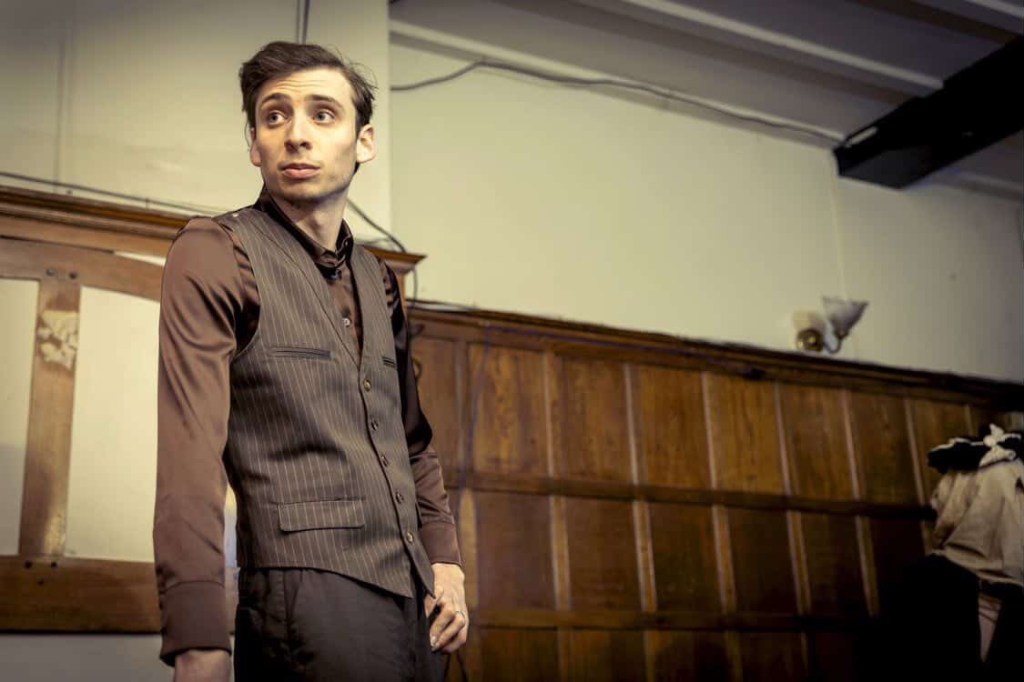
This demonstration was orchestrated by Sir Frederick Treves, played by the excellent Thomas Smith, who also appeared in the previous Malvolio’s Corner production (review linked above). Treves seeks to understand the cause of Joseph’s condition, but his methods often cross a moral line. The production cleverly involved the audience in this scene, with Treves addressing them directly as though they were the medical professionals, adding another layer of immersion. Despite believing he is acting in Joseph’s best interests, Treves displays moments of obsession and insensitivity—talking over Joseph and prioritising his own curiosity. Thomas captured this underlying darkness brilliantly, making the character compelling to watch whenever he was on stage. His vocal performance was particularly strong, effectively conveying both the character’s education and the historical setting, while remaining clear and engaging.
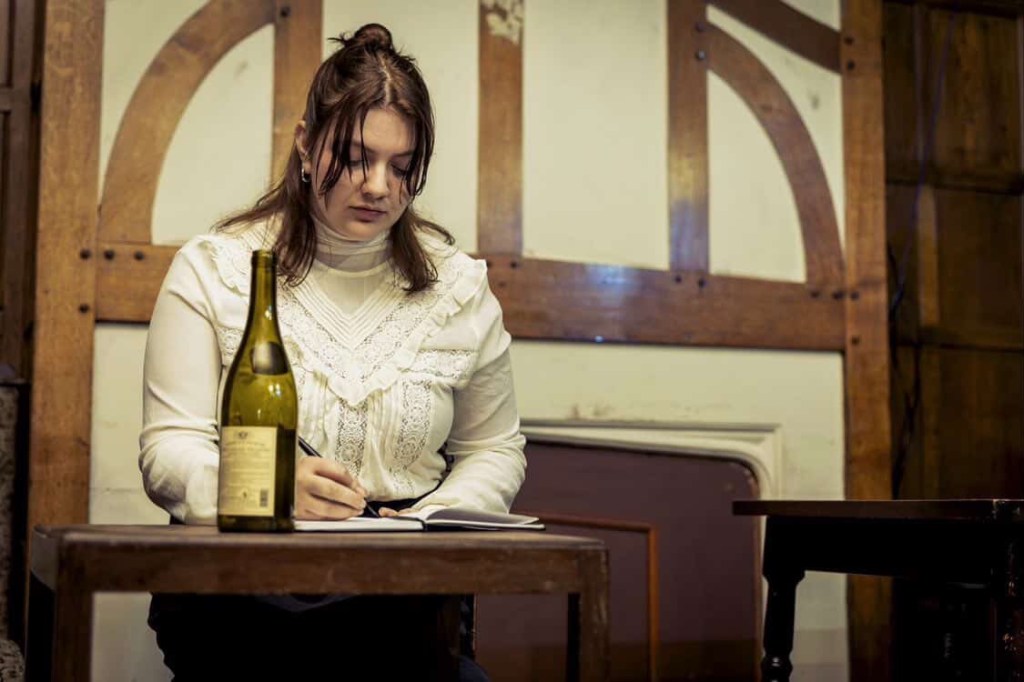
The narrative is further driven by the ongoing conflict between Treves and his wife, brought to life by the incredible Tabitha Floyd. The two frequently clash over how Joseph should be treated, culminating in a powerful confrontation later in the play. In this moment, she reveals her involvement in decisions regarding Joseph’s care, leading to an intense and emotionally charged argument. This scene was not only excellently performed but also carefully built, allowing the audience to fully understand the motivations behind both characters.
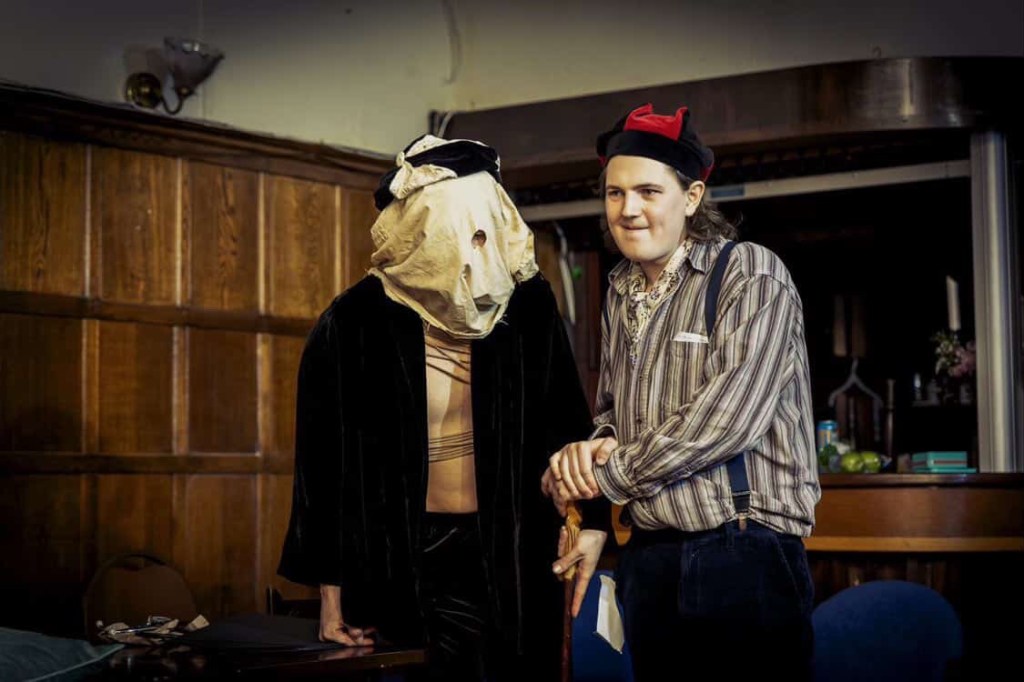
The first actor to take to the stage was Luke Knights, who delivered a compelling prologue introducing the story as a documentary-style retelling of real events. His performance immediately engaged the audience, even involving them directly by handing out flowers—an effective piece of foreshadowing. Within the main production, Luke took on the role of the unhinged circus master, who is in constant conflict with Treves over control of Joseph. For those unfamiliar with the story, Joseph was previously exhibited as the “Elephant Man” in a circus, treated as a spectacle rather than a person. Luke’s portrayal captured both the eccentricity and the desperation of a man losing his greatest attraction. In the final moments of the show, the character returns during a formal panel discussing Joseph’s future care. Initially presented as a silent witness, the circus master instead delivers biting, crude remarks, almost taking on the role of a Shakespearean jester. This added a surprising touch of humour while remaining true to the character’s background and lack of familiarity with formal proceedings.
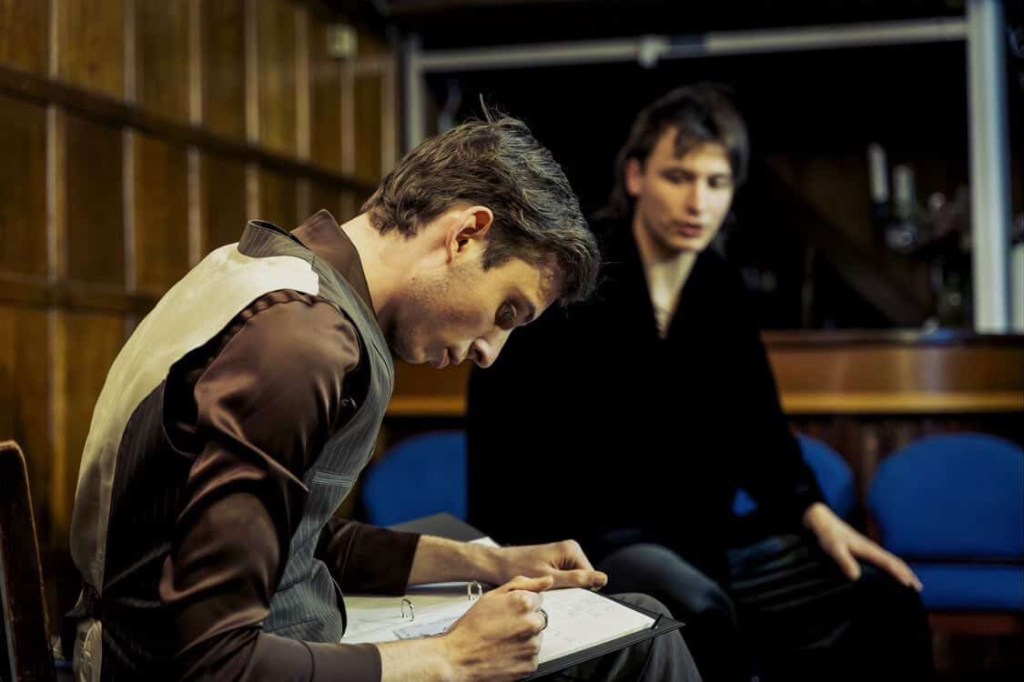
Overall, The Elephant Man by Malvolio’s Corner once again transformed an intimate venue into a fully immersive, high-production experience. The company successfully brought a complex and historical story to life in a way that was both accessible and emotionally impactful. I would rate this production 5 out of 5 stars.

 Rhysreviews